English
 Español
 Français
 China
China

Guide to Running Recycled Paperboard on a Fully Stripping Roll Die Cutting Machine
Sustainable packaging is no longer a niche—it’s a market requirement. Brands are committing to recycled content, and paper cup and container producers are feeling the pressure to switch. A Full Stripping Roll Die Cutting Machine like the ZBQF from Feida Machinery is capable of handling 120-400gsm paperboard at speeds up to 180 cuts/min with ±0.20mm precision. But recycled paperboard isn‘t the same as virgin stock. Shorter fibers, higher ash content, and inconsistent caliper create new challenges for die cutting and stripping.
This guide covers the key adjustments you need to make—from stripping pin height to dust control to die life extension—so you can run recycled board successfully on your full stripping roll die cutter. Feida’s machines are already used by KFC, McDonald‘s, and Corona Beer packaging suppliers, and with the right setup, they can handle post-consumer materials just as effectively.
Why Recycled Board Demands a Different Approach
Recycled paperboard behaves differently than virgin stock in three critical ways. Understanding these differences is the first step to a successful transition.
Lower Tensile Strength Means More Breaks
Recycled fibers are shorter and weaker than virgin fibers. The paperboard has lower tensile strength, which means it’s more prone to tearing under tension. On a roll die cutting line running at 100-180 cuts/min, a web break can stop production instantly. You‘ll need to reduce web tension compared to virgin board settings.
Ash Content That Wears Dies Faster
Recycled paperboard contains more mineral fillers (ash) from the recycling process. These fillers are abrasive. They wear down die rules faster than virgin board. A die that lasts 5 million cuts on virgin stock might only last 3 million on recycled board. This isn’t a defect—it’s a material property you need to plan for.
Caliper Variation You Can‘t Ignore
Recovered fibers don’t produce uniform sheet thickness. Caliper variation across the web means the stripping pins may not contact the waste at the right height everywhere. Some areas strip cleanly; others leave waste clinging to the blank. This is where stripping parameter adjustments become critical.
Setting Up Stripping for Recycled Stock
The stripping section of a full stripping roll die cutting machine removes waste from the die-cut blank. Recycled board requires different settings than virgin board.
Lower Pin Height to Prevent Tearing
Lower tensile strength means the board is more likely to tear at the stripping pin contact point. If the pin height is set for virgin board, it can punch through the recycled board, creating holes in the finished blank. Reduce stripping pin height by 10-15% as a starting point. Run test samples and adjust until you get clean waste removal without damaging the blank. The ZBQF model features integrated waste removal with automatic stripping, making these adjustments easier to implement.
Ejectors That Distribute Pressure Better
Rubber ejectors push waste out of the blank. For recycled board, use ejectors with a larger contact area to distribute the force and reduce the risk of tearing. A larger surface area also helps compensate for caliper variation—if the board is slightly thicker or thinner in spots, the ejector still makes contact.
Test and Document
Run a short batch of 500-1,000 blanks at the adjusted settings. Inspect every blank for clean stripping and the absence of pin marks or tears. When you find the sweet spot, document the settings. The ZBQF’s servo drive control allows for precise, repeatable adjustments, so you can recall the settings for future runs of the same material.
Dust Control — The Real Game Changer
Recycled board generates more dust than virgin board. That dust doesn‘t just make a mess—it affects cut quality, stripping efficiency, and die life.
Vacuum Collection That Removes Dust at the Source
The most effective solution is a vacuum system that pulls dust away from the cutting area before it can accumulate. A properly designed vacuum collection system near the die captures dust at the source. The ZBQF’s integrated waste removal system already handles the bulk of waste, but additional vacuum pickup for fine dust is worth considering for high-volume recycled board runs.
Clean Twice as Often for Recycled Runs
On virgin board, you might clean the die every 100,000 cuts. On recycled board, double the frequency—clean every 50,000 cuts. Dust buildup on the die rules creates friction, which generates heat. Heat accelerates wear. More frequent cleaning is a small investment that pays off in extended die life. Feida provides 24/7 global support and spare parts worldwide for maintenance needs.
Anti-Static Bars
Dust particles are attracted to the die and the web by static electricity. Anti-static bars neutralize the charge, reducing dust attraction. This is a relatively low-cost addition that makes a noticeable difference in dust accumulation. For food-grade packaging applications, the reduced dust also means fewer contamination risks.
Protecting Your Dies on Recycled Material
Recycled board wears dies faster. You can’t stop the wear, but you can slow it down.
Harder Steel for Longer Die Life
Standard die steel is typically HRC 54-56. For recycled board, specify harder steel—HRC 58-60. The added hardness resists abrasion from the ash content in recycled board. The upfront cost is higher, but the extended die life more than compensates. The ZBQF achieves cutting precision of ±0.20mm, and harder die steel helps maintain that precision over longer runs.
Tungsten Coating That Resists Abrasion
Tungsten carbide coating on the die rules adds a hard, wear-resistant layer. It’s an additional cost, but for high-volume recycled board production, it’s often worth it. A coated die can last 2-3 times longer than an uncoated die on the same material. Feida’s heavy-duty construction supports max cutting pressure of 280T, and coated rules help ensure the machine’s full capability is maintained over the die’s life.
Reduce Speed to Reduce Wear
Slower cutting speeds reduce the impact force on the die rules. Less impact means less wear. The ZBQF runs at 100-180 cuts/min. For recycled board, start at the lower end of that range. If your production targets allow, run at 100-120 cuts/min. The loss in speed is offset by longer die life and fewer die changes.
| Adjustment | Virgin Board | Recycled Board | Why |
|---|---|---|---|
| Stripping pin height | Standard | Reduce 10-15% | Prevents tearing |
| Cutting speed | 160-180 cuts/min | 100-140 cuts/min | Reduces die wear |
| Die cleaning | Every 100,000 cuts | Every 50,000 cuts | Manages dust buildup |
| Web tension | Standard | Reduce 15% | Prevents web breaks |
| Die steel hardness | HRC 54-56 | HRC 58-60 | Resists abrasion |
Stopping Web Breaks Before They Start
Web breaks are more common with recycled board. Here’s how to minimize them.
Weak Spots That Come from Fiber Direction
Recycled fibers are shorter and less oriented than virgin fibers. The board is weaker in the cross-machine direction. If your web breaks follow a consistent pattern—always in the same area of the web—check for fiber orientation issues in the board. You may need to adjust the unwind angle or add a web guide to reduce stress on weak spots.
Less Tension, Fewer Breaks
The single most effective adjustment for reducing web breaks is lowering web tension. Start with a 15% reduction from your virgin board settings. If breaks persist, reduce further in 5% increments. The ZBQF’s servo drive control provides precise tension management, making these adjustments straightforward.
Inspect Splices
Recycled board often has more splices than virgin board. A poorly made splice is a weak point that will break under tension. Inspect splices before running and consider reducing speed when a splice passes through the machine. Some operators mark splice locations on the web so they can anticipate and adjust for them.
What Production Teams Want to Know
Can I run 100% post-consumer board on a standard machine?
Yes, but with adjustments. The ZBQF is designed for paper gram weights from 120-400g/㎡, which covers most post-consumer board grades. However, you’ll need to adjust stripping pin height, reduce speed, and increase die cleaning frequency. Start with a small test batch before committing to full production. Feida‘s machines are used by KFC, McDonald’s, and Corona Beer packaging suppliers, demonstrating their capability across a range of materials.
Does recycled board require different creasing rules?
Yes. Recycled board is more brittle than virgin board. A standard creasing rule with a narrow channel can crack the board along the fold line. Use a wider creasing channel—typically 0.5-1.0mm wider than what you use for virgin board. This allows the board to fold without cracking. The ZBQF‘s ±0.20mm precision ensures that even with wider channels, the crease remains accurate.
How to clean dust from stripping pins effectively?
Use compressed air to blow dust off the stripping pins at regular intervals. For heavy dust accumulation, remove the pins and clean them with a brush and solvent. Feida recommends establishing a cleaning schedule—every 50,000 cuts for recycled board—and sticking to it. The ZBQF’s integrated waste removal system handles the bulk of waste, but fine dust still requires active management.
Talk to Our Engineers About Recycled Board
Running recycled paperboard on a full stripping roll die cutting machine is achievable—but it requires the right adjustments. Start with lower stripping pin height to prevent tearing. Manage dust with vacuum collection, more frequent cleaning, and anti-static bars. Extend die life with harder steel, reduced speed, and tungsten carbide coatings. And reduce web tension to minimize breaks.
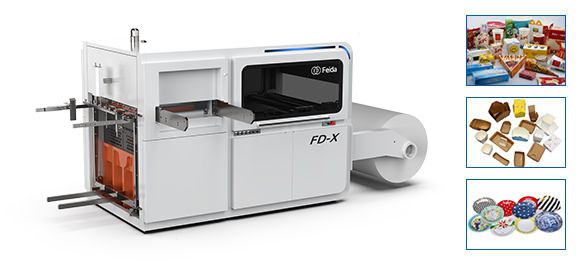
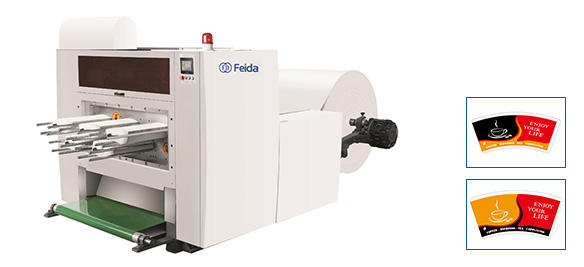
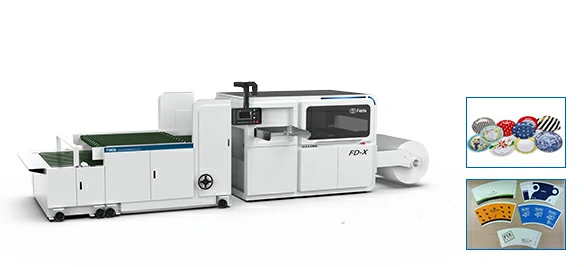
Feida Machinery manufactures the ZBQF Fully Automatic Stripping Roll Die Cutting Machine, designed for one-time die cutting, collecting, punch stripping, and product collection. The machine handles paper from 120-400g/㎡ at 100-180 cuts/min with ±0.20mm precision. With servo drive control, integrated waste removal, and 24/7 global support, it’s built for the demands of high-volume food packaging production—whether you‘re running virgin or recycled board.
Contact Feida Machinery’s technical team to discuss a trial run with your recycled board stock. They can provide setup guidance, parameter recommendations, and on-site support to ensure a smooth transition.