English
 Español
 Français
 China
China

Roll Die Cutting vs Flat Bed – Which Technology Wins?
If you run a label converting or packaging shop, you’ve faced this question more than once: Should you invest in a rotary press or stick with a flatbed cutter? Each technology claims to be faster, more accurate, or cheaper. But the real answer depends on your job runs, materials, and long-term growth plan.
(https://youtu.be/MkND4DHqcyU?si=gkBw5jVCFo2QHEON)
Let’s start with a real scenario. A mid-sized label printer in Ohio was handling short-run orders on a flatbed machine. Changeover took 45 minutes. Then they won a contract for 50,000 food labels per month. Suddenly, the flatbed became a bottleneck – slow feed, frequent stops, and rising labor costs. They switched to a rotary system and cut production time by 70%. But does that mean flatbed is obsolete? Not at all.
The Core Difference – How Each Technology Works
Flatbed die cutting uses a stationary bed and a moving press. A flat steel rule die pushes against the material. It’s a start-stop action: feed, cut, index, repeat. This makes flatbed extremely flexible – you can cut thick foams, magnetic materials, or odd shapes with the same die set.
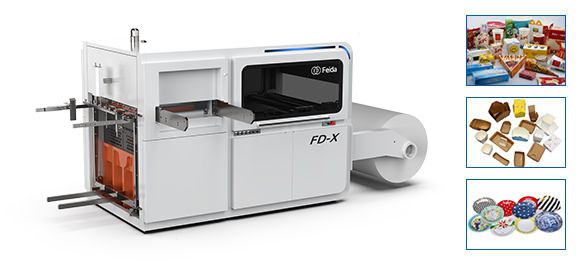
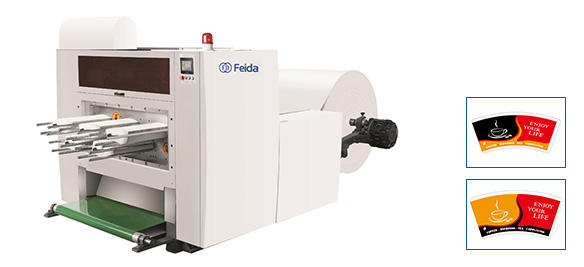
Roll die cutting uses cylindrical dies on two rotating cylinders. The material passes continuously between them. Think of a printing press – smooth, high-speed, and consistent. This technology shines for long runs of thin materials like labels, films, tapes, and paper.
Head‑to‑Head Comparison – Five Key Dimensions
| Dimension | Flatbed Die Cutting | Roll Die Cutting |
|---|---|---|
| Speed | 10–30 cycles/min | 50–200 m/min or higher |
| Tooling Cost | Low initial cost | Higher upfront |
| Setup Time | 15–60 minutes | 5–20 minutes |
| Material Thickness | Up to 10mm+ | Best under 2mm |
| Waste Rate | 3–8% | 0.5–2% |
Data compiled from industry benchmarks and shop floor logs.
When Flatbed Wins – Three Use Cases
Flatbed remains the king of versatility. If your work includes:
-
Short runs under 5,000 units – tooling amortization is minimal.
-
Thick or compressible materials – foam, felt, rubber gaskets, magnetic sheets.
-
Prototype and sample making – cheap steel rule dies can be cut overnight.
One customer switched from flatbed to a specialized roll-fed solution only after their monthly volume crossed 20,000 labels. Before that, flatbed kept its capital expenditure low.
When Rotary Wins – The Volume Game
For high-speed label converting, medical device components, or adhesive tape rolls, roll die cutting is the clear winner. Why?
-
Continuous motion eliminates idle time.
-
Long die life – a well‑maintained rotary die can cut millions of impressions.
-
Integrated processes – you can combine cutting, waste stripping, and slitting in one pass.
A recent study by the Foil & Specialty Effects Association showed that converters who switched from flatbed to rotary for runs over 15,000 sheets reduced per-unit cost by 32–45%.
(https://youtu.be/69ldUAi_RmI?si=THOiGexXJDCvrQA0)
The Hidden Cost Many Forget – Tooling Maintenance
Flatbed dies are cheap but dull quickly – every 50,000 cycles on abrasive materials. Rotary dies, though expensive, can be sharpened 8–10 times. Over three years, a typical rotary die set costs 0.8¢ per 1,000 cuts versus 2.4¢ for flatbed replacements.
Which Technology Wins? – Decision Matrix
Choose flatbed if:
-
Average run length < 5,000
-
Material thickness > 2mm
-
You need 4+ different shapes per shift
-
Budget for tooling is under $1,000/month
Choose rotary if:
-
Average run length > 15,000
-
Material thickness < 1.5mm
-
You value speed and waste reduction above low entry cost
-
You run similar repeat lengths for weeks
What if you run both? Many mid-sized shops keep a flatbed for prototypes and short jobs, then check out high-speed die-cutting systems for their main production lines. Hybrid workflows are common.
Real Customer Example – Without Naming Names
A European converter of release liners struggled with edge burrs on its flatbed. Burrs caused a liner tear in customers’ applying machines. They moved to a rotary die cutting arrangement with a custom anvil roll. Edge quality improved instantly, and rejects dropped from 4.1% to 0.7%. Their investment paid back in six months.
Expert Tip – Don’t Ignore Quick‑Change Features
Modern roll die cutting equipment often includes magnetic cylinders and tool-free die locks. This narrows the setup time gap. A flatbed may need 30 minutes; a well-designed rotary system with magnetic tooling can be ready in 8 minutes. For shops running six job changes per day, that saves over two hours daily.
If you are leaning toward rotary but worry about the initial tooling cost, you can start with a clicker‑style flatbed for sample runs, then explore modular rotary platforms that accept both flexible and solid dies. This step‑up approach reduces risk.
Final Verdict – No Universal Winner, But…
The title asks “Which technology wins?” – the honest answer: it depends on your volume and material. However, for the vast majority of label, flexible packaging, and thin‑film converters with runs above 10,000 units, rotary technology delivers lower total cost per part and better consistency.
If your mix includes thick sheets or very short runs, don’t abandon flatbed. But if you’re scaling up or facing quality pressure, rolling is the future.
Ready to match the right die cutting method to your orders? Get tailored configuration advice based on your material width, average run length, and required finish.
References & Disclaimer
-
FSEA Benchmark Report 2023 – “Rotary vs Flatbed Die Cutting Cost Analysis”
-
FTA (Flexographic Technical Association) – Die Cutting Best Practices, 2022
-
Internal shop floor logs shared under nondisclosure agreements
-
This article is for general guidance. Always consult equipment specifications for your exact materials.