English
 Español
 Français
 China
China

Why Does My Paper Roll Die Cutting Machine Leave Partial Waste on Stripping?
You have just finished a die‑cutting run. The paper cup fans look clean at a glance. But after stripping, tiny waste pieces remain attached to the edges—paper fibers clinging to the fan shape, scraps that should have fallen away. These incomplete removals jam printing units and cup forming stations. On a Roll Die Cutting Machine, partial waste removal is the most common post‑press headache. The causes are rarely mysterious: stripping pins set at the wrong height, waste ties too large for the stripping frame, or rubber ejectors worn out. This guide walks through each cause, gives simple field tests, and shows adjustments that take minutes.
What usually leaves waste behind
The way waste fails to separate tells you what is wrong. Small waste pieces still attached, with the surrounding matrix removed cleanly, point to stripping pins set at the wrong height. Waste that tears rather than falling away indicates waste ties are too large. Waste that never lifts off at all suggests rubber ejectors missing or worn. Static electricity can also cause waste to cling, especially with coated paper in low humidity.
When pins miss the mark
Pins too high leave waste untouched. Pins too low tear the product. For 200–350 gsm cup stock, pin tips should extend 1–2 mm below the stripping board. Lower pins in 0.5 mm increments until waste pops off. If pins leave indentations, raise slightly.
When waste ties are too stubborn
Waste ties are the small uncut bridges left by the die maker. Ties wider than 1.5 mm almost always cause incomplete stripping. The fix is to have the die re‑engraved with ties of 0.5–1.0 mm. Temporary workaround: increase pin height slightly or add extra pins.
When rubber ejectors give up
Ejectors compress during cutting and expand to push waste downward. If missing, worn flat, or hardened, waste stays in the cut area. Inspect for compression set or cracks. Replace any that show permanent flattening. Foam height should extend 1–2 mm above the cutting rule.
A fast five‑minute look at your stripping unit
Compare the stripping pin pattern against the die cut shape. Pins must align with waste areas. Run a single sheet with colored waste material. After stripping, examine where waste sticks—those spots correspond to pin height, tie size, or ejector issues. Check waste matrix tension: too high snaps the grid, too low leaves waste. Adjust to the lowest tension that still removes waste cleanly.
Matching pins to the cut pattern
Each waste area should have at least one pin directly above it. If pins are missing, add them or reposition the pin plate. For complex shapes, mirror the waste geometry with the pin configuration.
Using a colored test sheet to spot problem zones
Spray waste areas with colored water before cutting. After stripping, any waste left behind carries the color, showing exactly which pins failed. Or run a sheet of colored paper—the remaining waste will contrast sharply.
Tweaks that usually fix the problem
Reduce waste tie width. Contact your die supplier and specify ties of 0.5–1.0 mm. For 200–350 gsm cup stock, ties above 1.5 mm will cause incomplete stripping.
Lower stripping pins gradually. Start flush with the stripping board. Lower in 0.5 mm increments until waste pops off cleanly. Mark the final pin height on the machine frame.
Adjust waste matrix tension. Set the rewind tension to the lowest level that still pulls waste cleanly without snapping the matrix.
Shrinking the waste tie
Waste ties are fixed in the die. Send the die back to the supplier for rework. When ordering new dies, specify tie width explicitly. For 250–300 gsm board, 0.6 mm is a good starting point. Thinner board may need 0.4–0.5 mm.
Dialing in pin height
Start with pins flush with the stripping board. Run a test sheet. If waste remains, lower pins by 0.5 mm. Repeat until waste removes cleanly. Mark the final height. For multi‑strike rotary dies, use shims under individual pins to create a stepped profile matching the cut shape.
When rubber ejectors are the real issue
Rubber ejectors mount on the die to push waste out after cutting. When ejectors are missing or worn, waste stays in the cut area. Inspect for compression set, cracks, or missing sections. Replace any that show hardening. For foam ejectors, ensure foam height extends 1–2 mm above the cutting rule. Flush foam provides no ejection force.
Questions from the production floor
Q: Why does waste sometimes reattach to the next fan?
A: Static electricity or micro‑burrs on the cut edge. Install anti‑static bars near the stripping station. Use a humidifier in dry seasons. Roughen pin tips slightly to improve waste release.
Q: Can coating type affect stripping?
A: Yes. Water‑based coatings have higher friction against metal pins, causing waste to stick. PE coating is slicker and strips more cleanly. If problems appear only on water‑coated stock, increase the number of pins or reduce pin height.
Q: How often should I replace stripping pins?
A: For uncoated paperboard, replace every 1–2 million cycles. For coated stocks, 3–5 million cycles. Inspect pin tips under magnification; replace if rounding or nicks are visible.
When to call technical support
If all adjustments fail, the issue may be mechanical synchronization—stripper contacting too early or too late. Other signs: play in stripping roll bearings, uneven wear on the stripping board, or frame misalignment. Document your adjustments before calling. Feida‘s support team can provide remote guidance; on‑site inspection can be arranged if needed.
Final checklist
-
Confirm stripping pins align with waste areas—not product
-
Verify pin height: 1–2 mm below stripping board for cup stock
-
Check waste tie size with die supplier—reduce if >1.5 mm
-
Inspect rubber ejectors for compression set or missing sections
-
Measure waste matrix tension—reduce until matrix runs without snapping
-
Test with anti‑static bars if static cling is suspected
-
Document all adjustments for future reference
Feida roll die cutting machines: built for clean waste removal
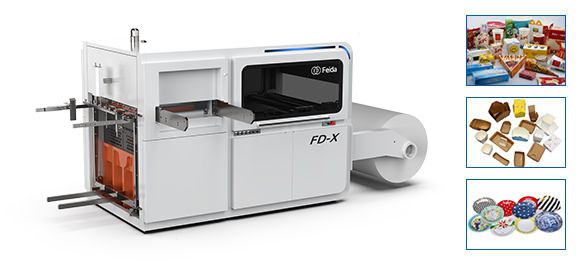
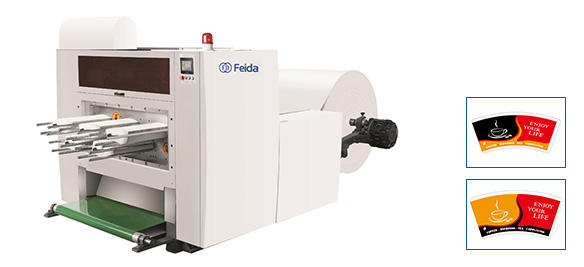
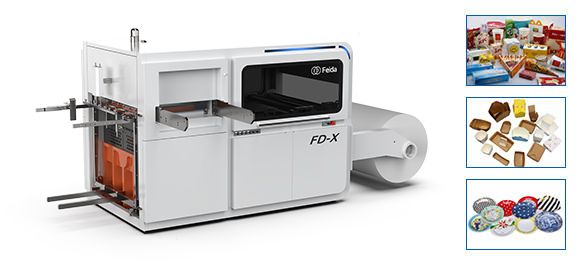
When die‑cutting performance depends on reliable waste removal, equipment design matters. Feida FD series automatic roll die cutting machines are built on international advanced technology, offering high stability and precision. They process paper, cardboard, film, and flexible packaging materials at up to 180 cuts per minute, with ±0.20 mm precision. Features include advanced servo motor control, comprehensive pre‑sale to after‑sale service, and a simple operator interface. The FD970 handles 120–400 g/m²; the inline flexo printer version extends to 120–600 g/m² for printed cup and bowl applications. With three decades of expertise, Feida serves the paper packaging industry, from box makers to cup and bowl converters who rely on consistent waste removal.
→ Request a quote from Feida for the Roll Die Cutting Machine — Share your substrate, sheet size, and production volume. Their team will recommend the right configuration and provide stripping setup guidance.